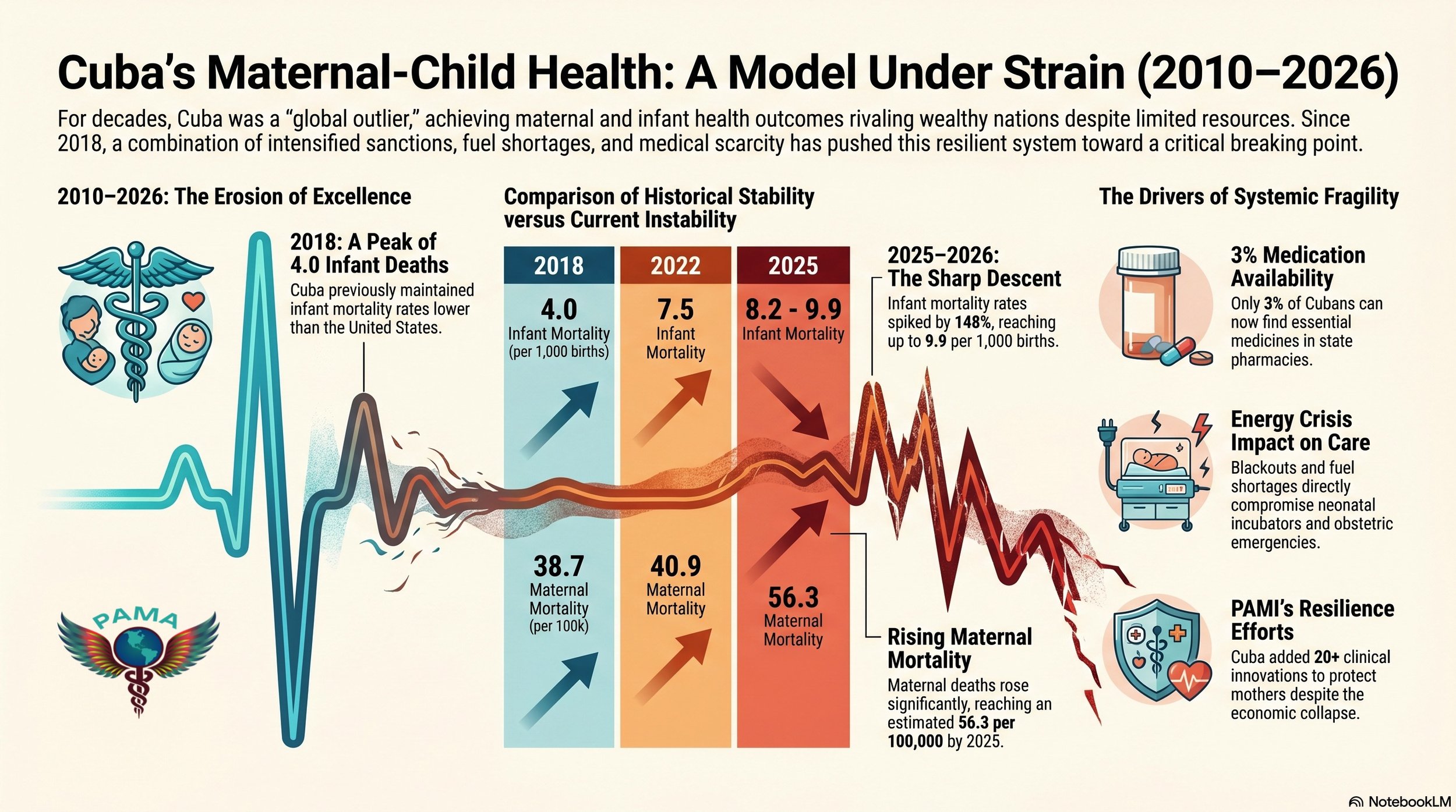
Maternal and Infant Mortality in Cuba: Trends, Structural Determinants, and Policy Implications (2010–2026)
Cuba once stood as one of the great paradoxes of global health: a nation with limited economic resources but maternal and infant outcomes rivaling those of the world’s wealthiest countries. For decades, its infant mortality rate hovered near 4 per 1,000 live births—lower than developed countries—and its maternal‑child health system was celebrated as a model of prevention, equity, and community‑based care.
That era is now under threat.
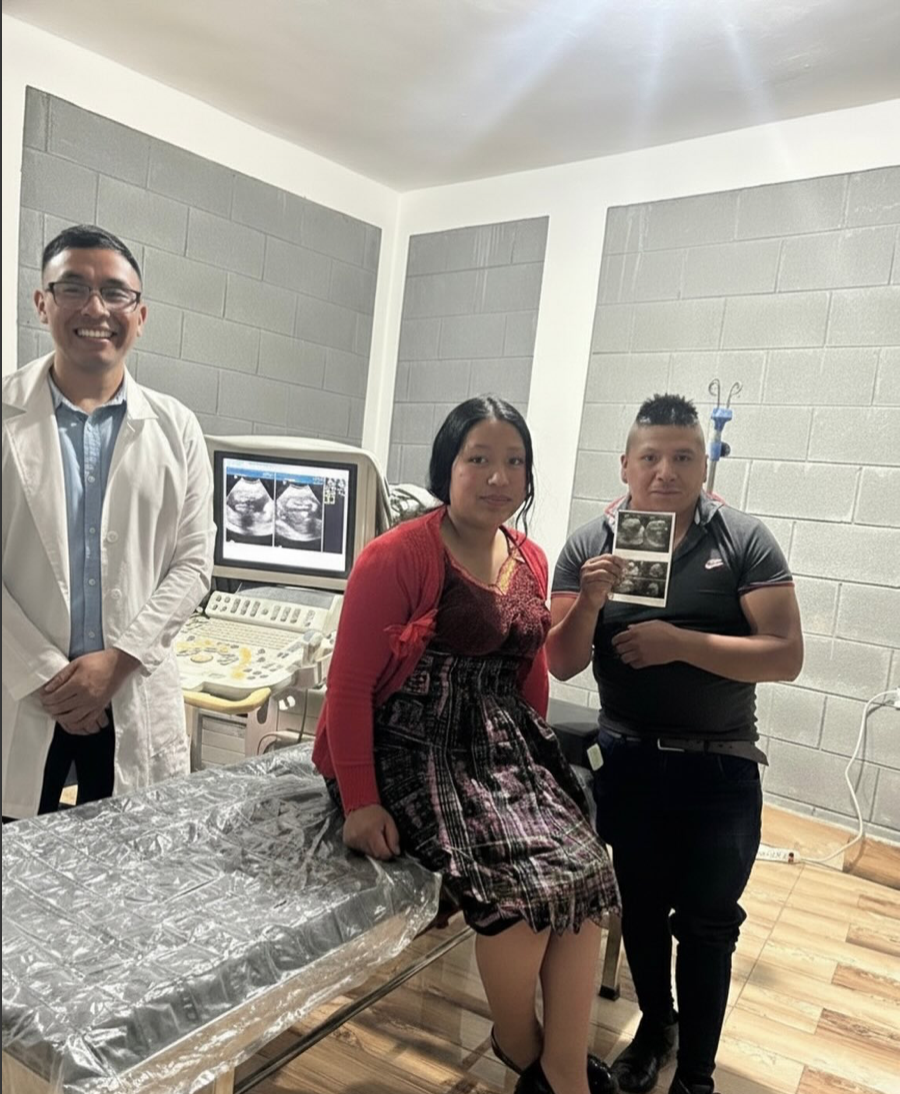
Meta‑Analysis Report: Public Health Conditions in Rural Guatemala & the Impact of Dr. Eliseo Pelico’s Clinic in Aldea Pitzal
Rural Guatemala faces some of the most severe health disparities in Central America, driven by geographic isolation, linguistic exclusion, chronic underfunding, and the near‑total absence of Indigenous‑speaking clinicians. This meta‑analysis synthesizes available public health data with on‑the‑ground findings from Aldea Pitzal, where Dr. Eliseo Pelico—the only 24‑hour urgent care provider in the region and one of the few fluent in K’iche’, Spanish, and English—is delivering a model of community‑rooted, linguistically inclusive care.
The deployment of a Philips HD11 ultrasound system, the integration of the 75Health EMR, and the translation of all clinical materials into K’iche’ have produced measurable improvements in diagnostic capacity, maternal health, and patient retention. Using the Community Impact Measure (CIM), we estimate a threefold increase in clinical impact from 2024 to 2025.

Spotlight: Dr. Renee Quarterman, MD — A Physician Who Shows What Solidarity Looks Like (Copy)
In every movement, there are physicians whose presence alone communicates courage, clarity, and commitment. For PAMA, Dr. Renee Quarterman, MD, is one of those leaders.
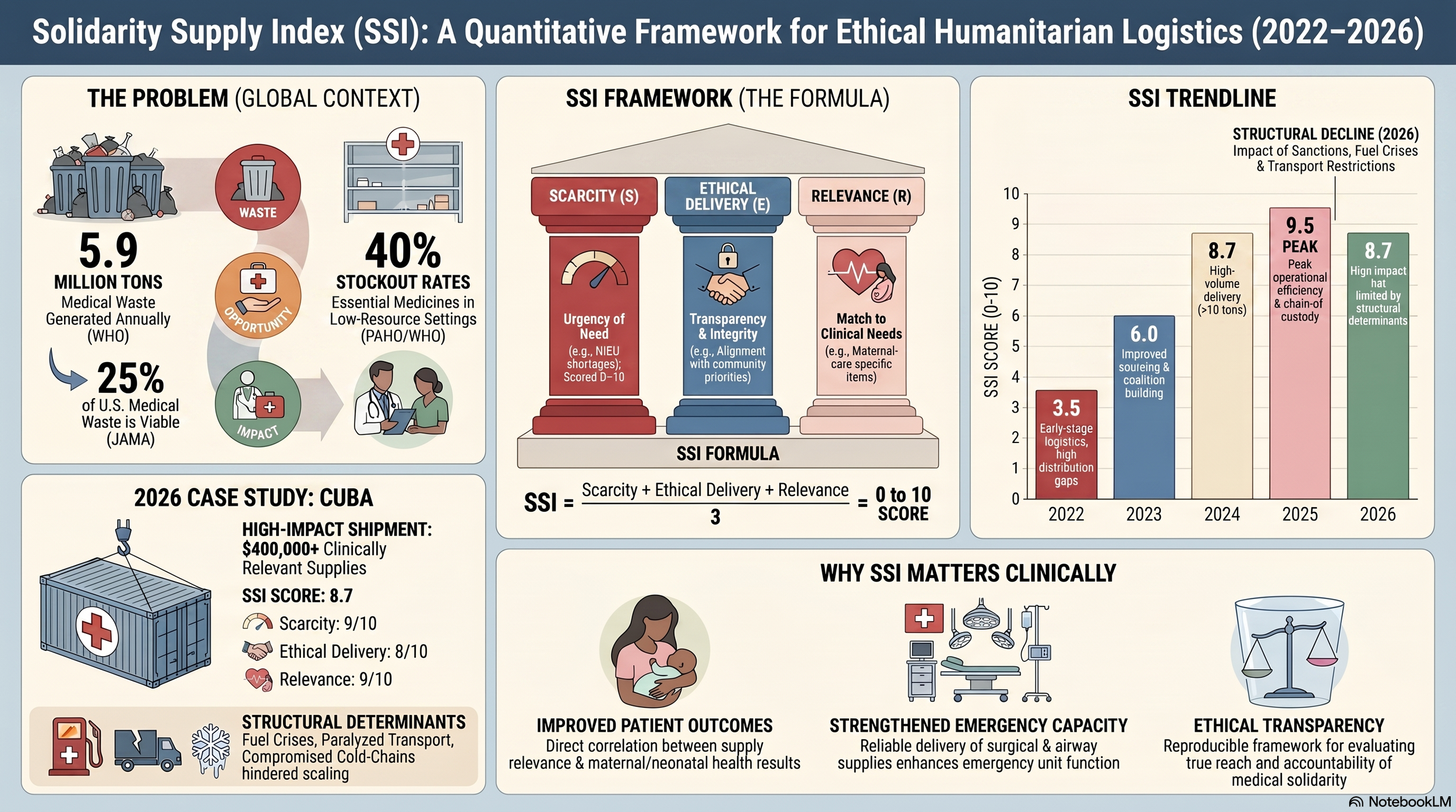
The Solidarity Supply Index (SSI) — A Clinical Tool for Measuring Ethical Impact in Underserved Communities
The Solidarity Supply Index (SSI) represents a new class of humanitarian metric — one that integrates clinical relevance, ethical logistics, and structural determinants of health into a single, reproducible score. Developed by the Pan‑American Medical Association (PAMA), the SSI quantifies whether medical aid is not only delivered, but delivered ethically, transparently, and in alignment with the real clinical needs of underserved communities.
In a global landscape where the United States discards millions of tons of unused medical supplies annually — much of it sterile, viable, and clinically valuable — the SSI provides a scientific framework for transforming waste into life‑saving resources. WHO and PAHO data show that up to 40% of essential medicines in low‑resource countries experience stockouts, while JAMA estimates that U.S. healthcare waste exceeds $760 billion each year. The SSI bridges this gap by measuring how effectively surplus materials are recovered, validated, and delivered to health systems in crisis.
The 2026 SSI score of 8.7, though still classified as High‑Impact, reflects the growing influence of political determinants of health. Sanctions, fuel shortages, and transport restrictions in Cuba have intensified scarcity and reduced last‑mile deliverability — demonstrating that even ethically optimized humanitarian systems remain vulnerable to geopolitical forces. This decline does not signal diminished performance; rather, it reveals the ethical integrity of the SSI itself: a willingness to measure impact honestly, even when structural violence limits what humanitarian actors can achieve.
As global health systems confront rising instability, the SSI offers clinicians, policymakers, and humanitarian organizations a rigorous, data‑driven tool for evaluating the true reach of medical solidarity. It transforms humanitarian aid from an act of goodwill into a measurable, accountable, and clinically meaningful intervention.

A Generation at Risk: How Cuba’s Food Crisis Is Breeding a Nutrition Epidemic
Slow‑onset food insecurity produces a distinct pattern of physiological and social deterioration: meals become less frequent, dietary diversity narrows, and the cumulative effects of micronutrient deficiencies begin to appear in population‑level health indicators. In Cuba, this gradual form of hunger has intensified over the past decade, reflected in rising rates of anemia, reduced caloric availability, and documented growth delays among children.

Health Disparities in Rural Guatemala: Why Dr. Pelico’s Clinic Matters
In Aldea Pitzal, Guatemala, Dr. Eliseo Pelico’s 24-hour clinic offers urgent care for just $3, serving Indigenous families often excluded from mainstream healthcare. Supported by the Pan-American Medical Association, this model blends language access, digital records, and community trust to reshape rural health equity.